





Most people think of a cold house as a comfort issue, something you tolerate with thicker socks or an extra blanket. But from a physiological standpoint, indoor temperature shapes how your body functions every single day. A good heating company doesn’t just provide warmth; it helps create a stable environment that supports your health, energy, and overall well-being in ways most homeowners never consciously notice.
What Is Cold Stress?
Cold stress isn’t just “feeling chilly.” It’s what happens when your body has to work overtime to maintain its core temperature, and starts diverting energy away from other critical systems to do it.
Your body is built to protect one thing first: your core organs. So when your house is consistently too cold due to inadequate heating or uneven heat distribution, blood vessels constrict to conserve heat, your heart works harder to circulate warm blood, muscles tense and burn extra calories, stress hormones increase, and your immune response can weaken.
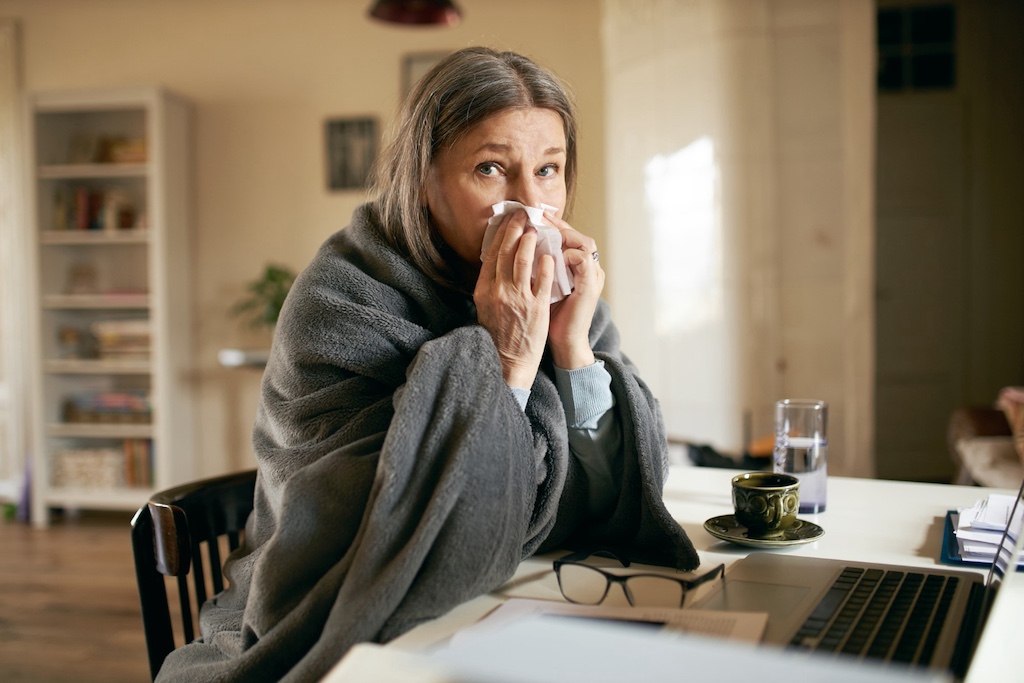
Cold stress isn’t about discomfort. It’s about energy reallocation. When your house is consistently cold, your body quietly diverts calories, oxygen, and circulation toward temperature regulation instead of immune defense, tissue repair, cognitive clarity, and emotional regulation. This form of low temperature stress doesn’t announce itself loudly, it builds gradually.
It’s not dramatic. It’s subtle underperformance. You don’t “notice” cold stress the way you notice a fever. Instead, you feel slightly off, lower energy, more irritable, slower to recover from illness. A cold house becomes a low-grade metabolic tax.
A cold house doesn’t have to be freezing to trigger this. Prolonged indoor temperatures below about 64-68°F, especially with humidity issues, drafts, or poor insulation, can gradually push the body into stress mode and create ongoing low temperature stress.
In other words, cold stress is a physiological load, like running your car engine at high RPMs all day. You may not “break down” immediately, but wear and tear adds up.
Recognizing Early Cold Stress Symptoms
Most people wait for dramatic signs like uncontrollable shivering. That’s late-stage.
Early cold stress symptoms are subtle and easy to dismiss: persistent fatigue, especially in the morning; cold hands and feet even indoors; stiff joints or increased arthritis pain; headaches; brain fog or difficulty concentrating; irritability; frequent mild illnesses; and dry, cracked skin.
You might dread getting out of bed even after good sleep, move slower in the morning, or notice your productivity drops after sunset. You may crave sugar and heavy carbs more often, or even feel warmer outdoors in sunlight than indoors. These are behavioral signs of thermal strain and early cold stress symptoms.
A big overlooked sign is feeling fine under a blanket but uncomfortable the second you move around. That means the home itself isn’t supporting stable thermal comfort, your body is doing the work. If you need multiple layers indoors and still feel chilled, your cold house may be contributing to ongoing cold stress symptoms.
Your body burns more calories trying to stay warm, which increases hunger and fatigue. Over time, that affects weight regulation and energy cycles, something almost no home services blog talks about when discussing cold homes and impact on health.
Cold Homes and Health Risks
Cold homes don’t just cause discomfort, they shift long-term health patterns. The deeper issue isn’t acute danger. It’s chronic adaptation. When evaluating cold homes and impact on health, the conversation has to go beyond simple comfort complaints.
Over time, consistently cold indoor environments are associated with increased blood pressure, higher risk of cardiovascular strain, worsened asthma and respiratory conditions, greater susceptibility to respiratory infections, slower recovery from illness, and increased inflammation in people with chronic conditions. These patterns are central to understanding cold homes and impact on health.
Here’s why: when blood vessels constrict repeatedly, it increases vascular resistance. That raises blood pressure and forces the heart to pump harder. For older adults, that can become significant.
Cold homes also tend to have dampness and poor air circulation, which supports mold growth, compounding respiratory issues. In some cases, neglected ductwork can worsen uneven airflow and moisture distribution, which is why periodic duct service becomes part of maintaining a healthy indoor environment. So it’s not just temperature. It’s the whole indoor environment ecosystem and its cumulative impact on health.
When exposed to low indoor temperatures for months, blood pressure tends to trend upward, sleep quality declines, pain sensitivity increases, and inflammation markers can rise, all common outcomes of prolonged low temperature stress.
Cold environments also tend to reduce physical activity. People move less, stay in one heated room, and become more sedentary. So the connection isn’t just biological, it’s behavioral drift.
Cold homes quietly reshape habits, and reinforce the long-term cold homes and impact on health pattern.
Cold Homes and Mental Health Effects
Cold homes influence mental health in three major ways.
Reduced light combined with low temperature lowers mood. Cold spaces often feel darker and less inviting, which can amplify seasonal depression patterns. Prolonged exposure to a cold house can intensify emotional strain linked to low temperature stress.
Behavioral restriction is another factor. When a home feels cold, people confine themselves to one room. They move less, socialize less, avoid certain parts of the house, and reduce social hosting. That subtle restriction changes daily rhythms and can lead to withdrawal behavior, avoidance of certain rooms, and less creative output.
Financial stress adds another layer. High heating bills create anxiety. Some homeowners underheat their homes out of cost concerns, creating a feedback loop between physical stress and financial worry, a common dynamic in discussions about cold homes and impact on health.
On the flip side, mental health struggles can reduce motivation to maintain heating systems, seal drafts, or address insulation issues, allowing cold conditions to persist. It becomes a bidirectional loop: cold leads to stress, stress lowers energy, lower energy reduces home care, and the environment gets colder.
Cold environments also reduce perceived control. When a space feels physically uncomfortable, the brain interprets it as instability, subtly increasing stress hormone production, another layer of low temperature stress.
There’s a known psychological association between physical warmth and emotional warmth. Studies show people perceive others as more trustworthy in warm environments. A cold house doesn’t just change temperature, it changes social dynamics.
Cold Stress Infant Vulnerability
Infants are not just “small adults.” They are thermally fragile.
Babies lose heat faster due to a higher surface-area-to-body-mass ratio. They cannot regulate body temperature efficiently, cannot shiver effectively in early months, and can’t tell you they’re cold. That’s why cold stress infant risk deserves special attention.
Mild cold stress in an adult may show up as discomfort. In an infant, it can lead to lethargy, poor feeding, slower weight gain, and increased risk of respiratory illness, all potential signs of cold stress infant exposure.
Cold stress infant risk is often underestimated because the home feels “fine” to adults. But what feels slightly cool to you may be physiologically stressful for a newborn. Stable, evenly heated environments matter more than many people realize.
Infants spend most of their time in sleep, and sleep is when body temperature naturally drops. If the room is already cold, that drop becomes amplified, increasing cold stress infant vulnerability inside a cold house.
Cold stress in infants doesn’t always look dramatic. It can show up as shorter sleep cycles, restless sleep, increased night waking, and slower feeding rhythms. It’s often misattributed to colic or temperament.
Parents think it’s behavioral. Sometimes it’s environmental.
Long-Term Low Temperature Stress Effects
Chronic exposure to low indoor temperatures can lead to cumulative stress effects: sustained high blood pressure, increased cardiovascular risk, chronic muscle tension and pain, compromised immune response, and worsened inflammatory conditions. These are hallmark outcomes of prolonged low temperature stress.
The long-term effect isn’t dramatic hypothermia. It’s persistent low-grade physiological strain driven by ongoing low temperature stress inside a cold house.
The long-term issue is vascular conditioning. Repeated vasoconstriction (narrowing of blood vessels) trains the body toward higher baseline resistance. Over time, that can contribute to sustained blood pressure elevation.
It’s not that cold causes heart disease directly. It’s that long-term environmental stress shapes cardiovascular patterns and reinforces the broader cold homes and impact on health relationship.
Think of it like poor sleep. One bad night doesn’t wreck you. But months of poor sleep changes your baseline health. Chronic low temperature stress works the same way.
When a Cold House Becomes Dangerous
A house becomes a health risk when occupants start adapting their behavior around the cold.
A cold house becomes serious when indoor temps consistently fall below 60°F, vulnerable individuals live there (infants, elderly, people with heart or lung conditions), there is visible condensation, dampness, or mold, residents avoid heating due to cost, or symptoms like confusion, severe shivering, or extreme fatigue appear.
It’s especially dangerous when cold combines with dampness. Cold air alone stresses the body. Cold + moisture stresses both the body and the respiratory system, accelerating cold homes and impact on health concerns.
If people feel worse at home than outside, that’s a red flag.
Only using one room, wearing outdoor clothing indoors, avoiding showers because bathrooms are cold, keeping kids in bed longer because it’s warmer there, and condensation forming daily on windows are warning signs of worsening cold stress symptoms.
Behavioral change is often the first danger signal, not thermometer readings. In situations where indoor temperatures drop suddenly or a system fails overnight, access to 24 hour heating repair can prevent a temporary issue from turning into a health risk.
Practical Cold Stress Prevention
Real cold stress prevention isn’t just “turn up the thermostat.” It’s about creating a stable indoor climate that prevents recurring cold stress symptoms and reduces low temperature stress.
Effective cold stress prevention creates thermal stability, not just warmth. Aim for 68-72°F during occupied hours, with minimal drastic drops at night and consistent overnight temperatures. Even heat distribution matters, because cold spots in bedrooms, bathrooms, and corners often fall below safe ranges even when the thermostat reads fine.
Keep indoor humidity around 30-50%. Too low increases discomfort. Too high promotes mold. Balanced humidity supports overall stability. Air sealing and insulation are core components of long-term cold stress prevention, especially in an older cold house prone to drafts.
An inefficient heating system often leads to uneven heating, forcing the body to compensate. Use simple thermometers in multiple rooms; most homeowners are surprised to learn how much temperatures vary from room to room.
The goal isn’t luxury warmth. It’s a home that supports your body instead of challenging it. A well-heated home should reduce how often you think about temperature at all. If residents constantly adjust blankets, layers, or space heaters, stronger cold stress prevention measures are needed.
Prevention equals invisibility, and effective cold stress prevention ensures the body no longer carries the burden the home should handle.


