







Chernobyl is forever etched in history as one of the worst nuclear disaster that happened on Earth. On the fateful day of April 26, 1986, the Chernobyl Nuclear Station in Ukraine exploded and released extremely dangerous amounts of radioactive materials in the atmosphere. The catastrophe was the result of a flawed reactor design managed by inadequately trained plant operators. The explosion killed approximately 30 people and indirectly killed several other thousands due to cancers and other illnesses caused by radiation exposure.

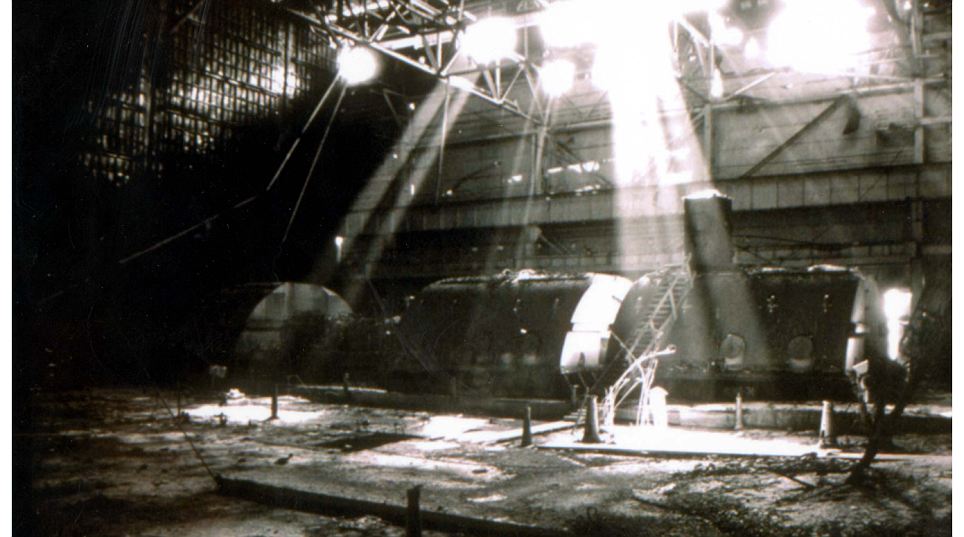
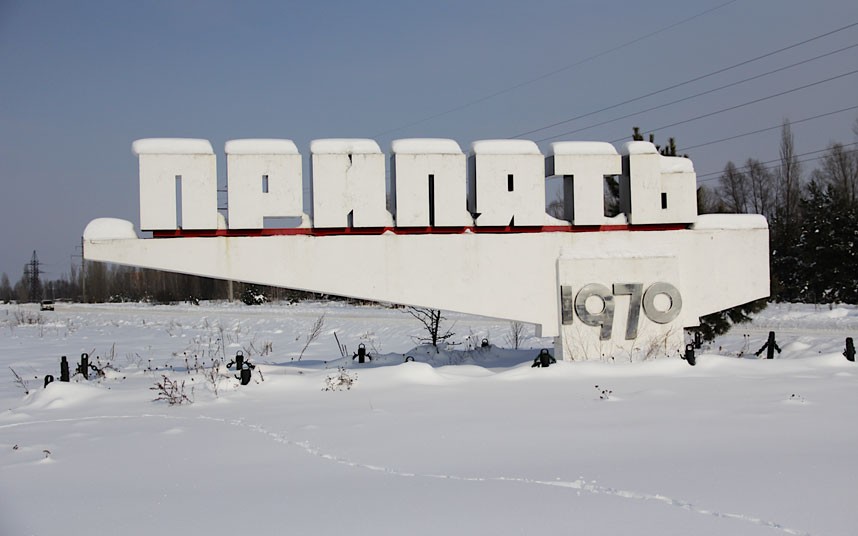
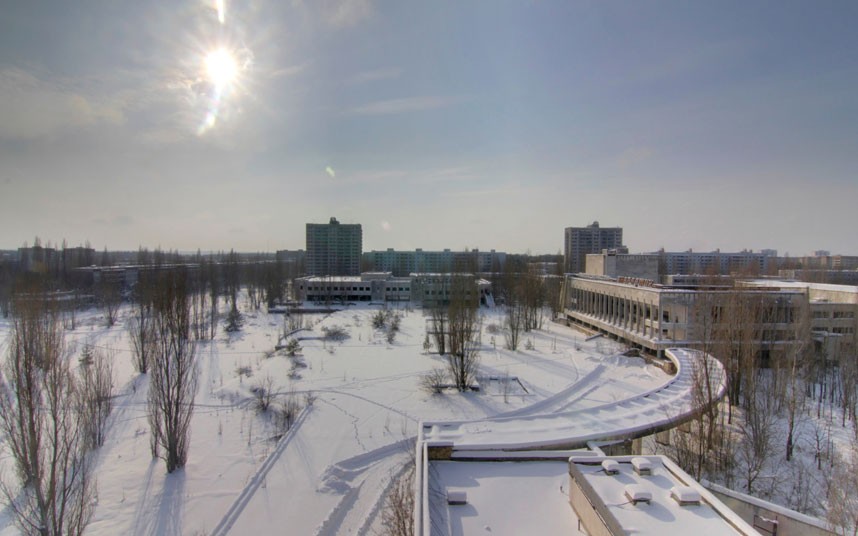
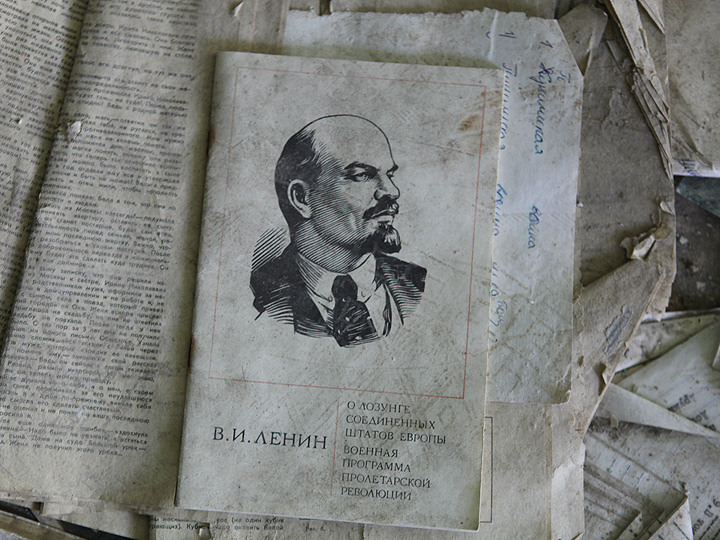
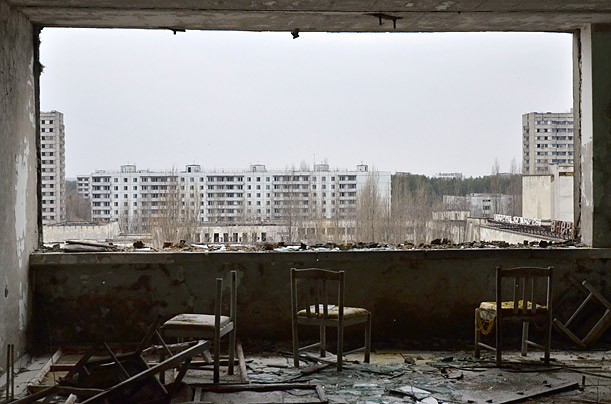
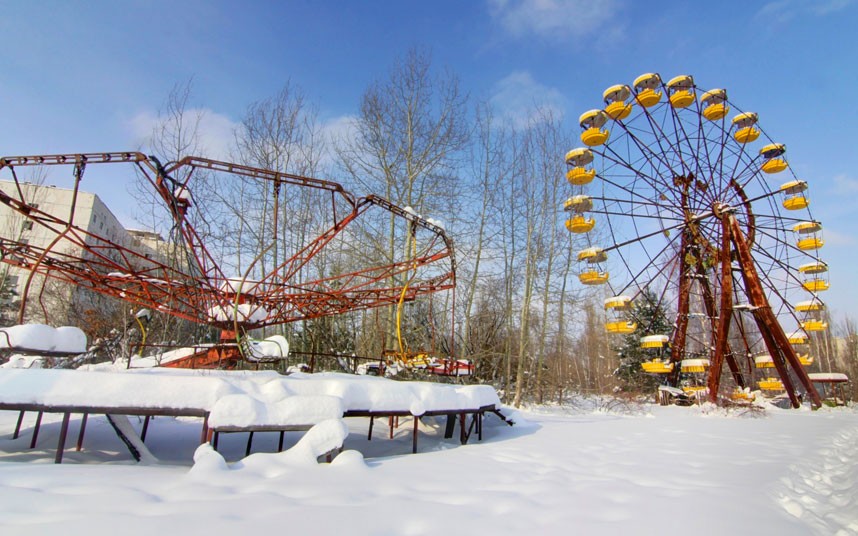
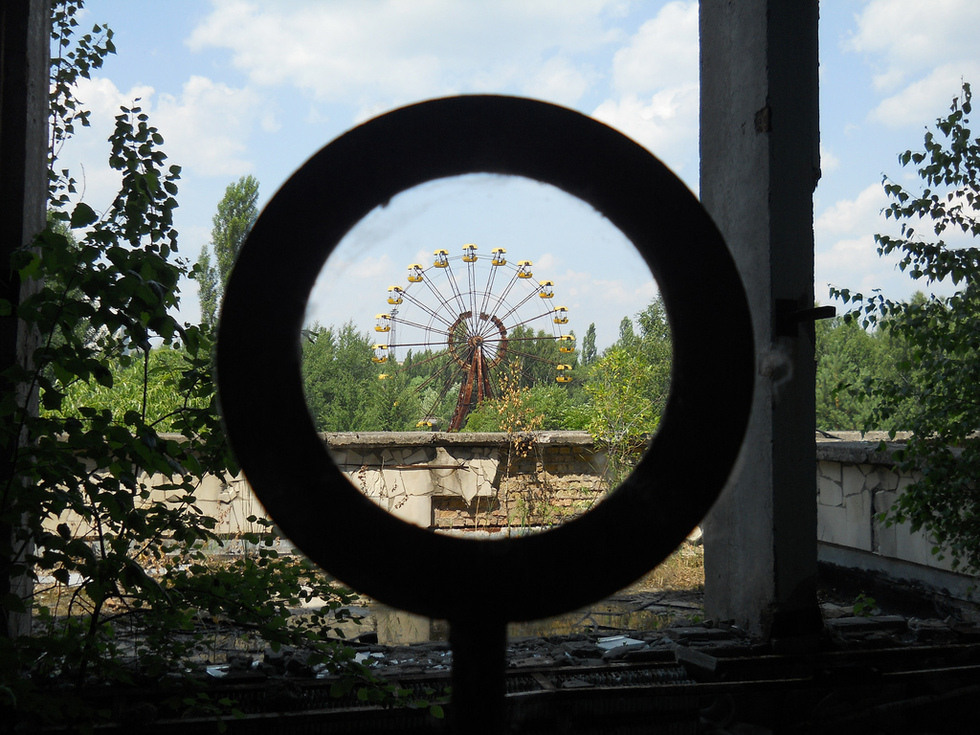
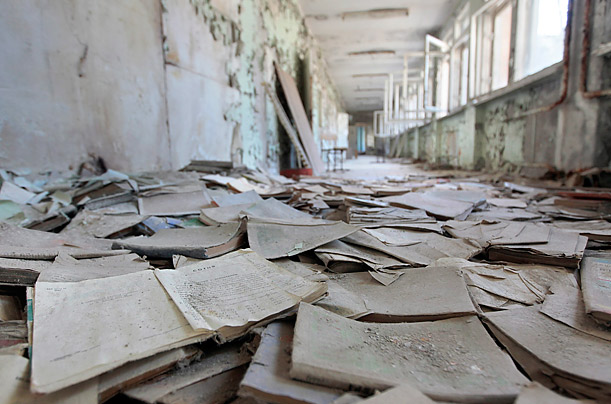
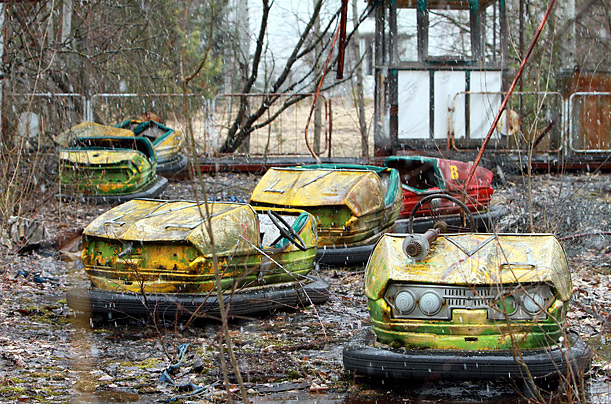
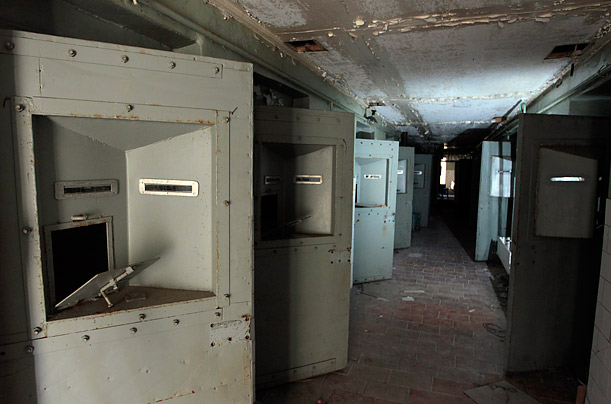
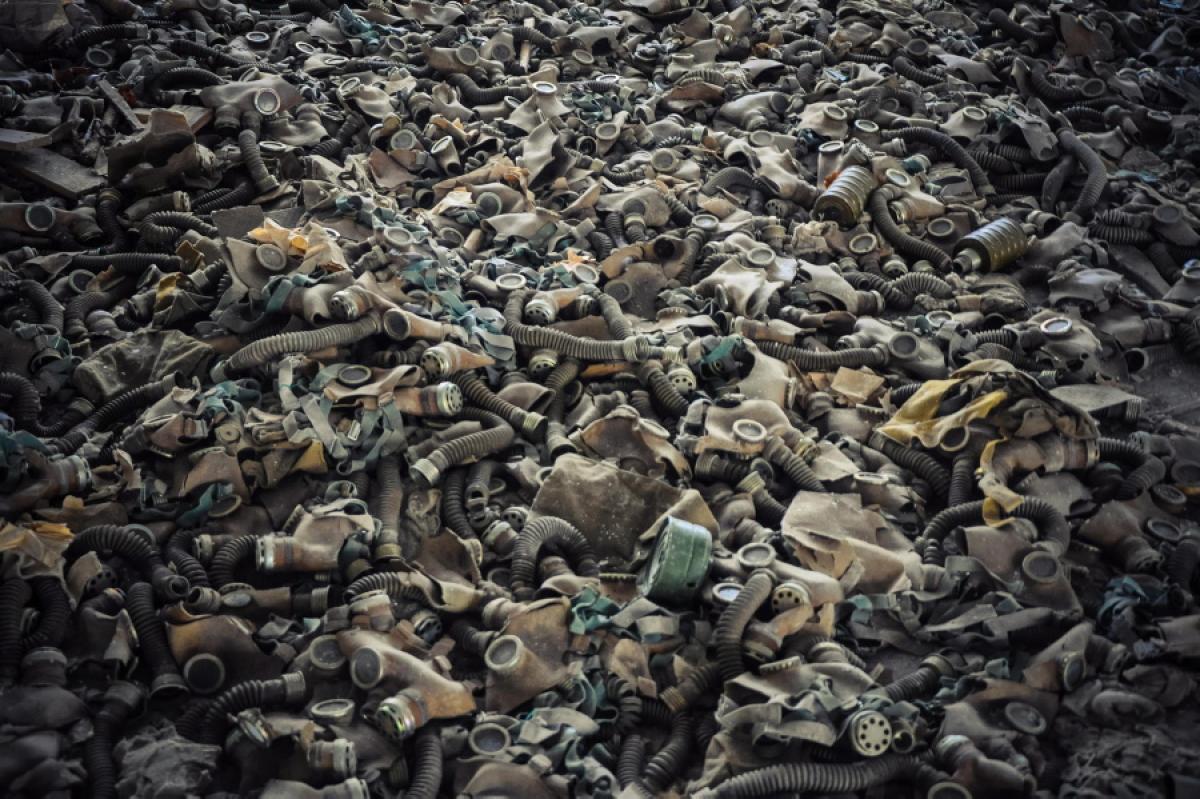
Today, Pripyat is an empty shell and a haunting reminder of what once has been a vibrant city that champions man’s nuclear ambitions. The remains of the city were left undisturbed and frozen in time. Personal belongings, communist propaganda, children’s toys, books and pictures lay abandoned. The area 30 kilometres (19 miles) in all directions from the Chernobyl plant is uninhabited except for a very few who refused to leave. It is called the ‘zone of alienation’.
After almost three decades of abandonment, Pripyat and its surrounding areas are being swallowed up by the forest and wildlife. It is as if Nature is taking back what belongs to her.
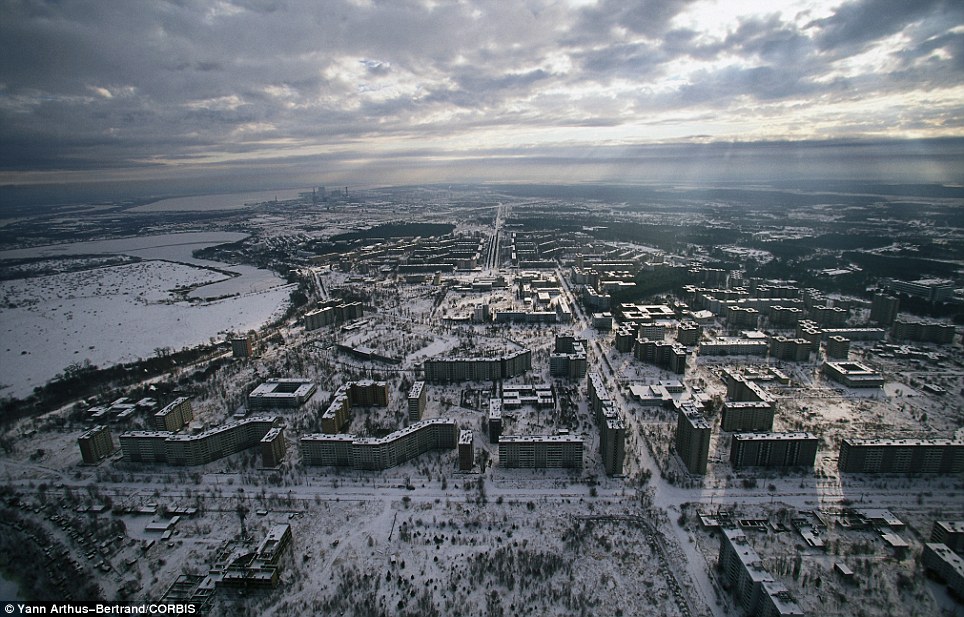
Photograph : Yann Arthus-Bertrand / Corbis
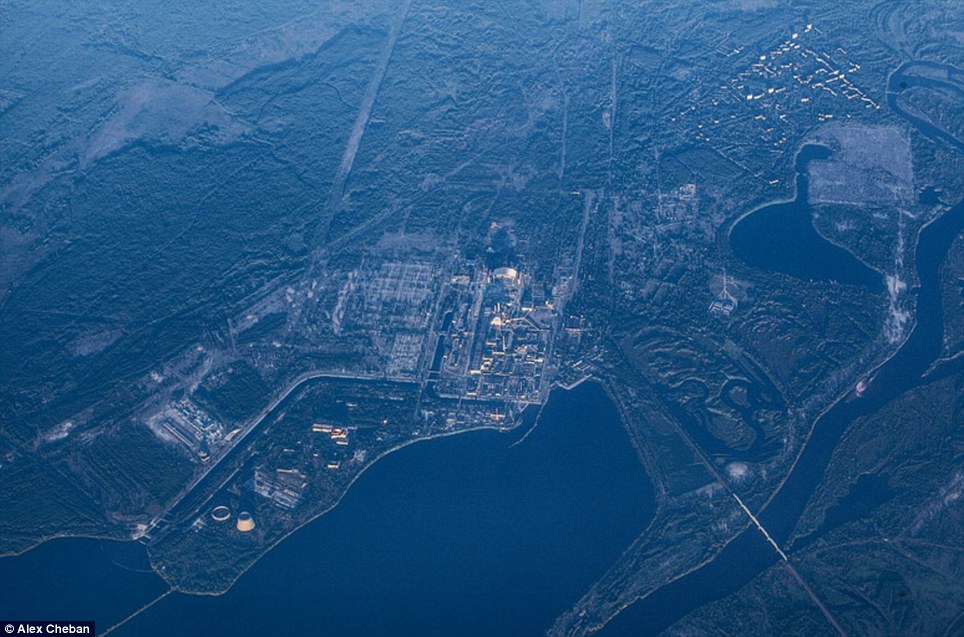
Photograph : Alex Cheban
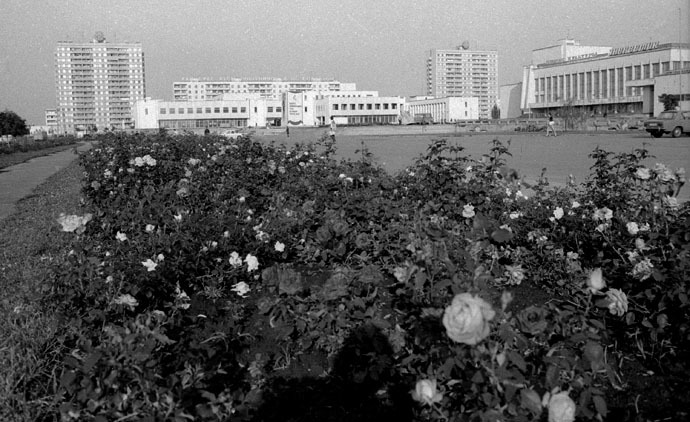
Photograph : RIA Novosti
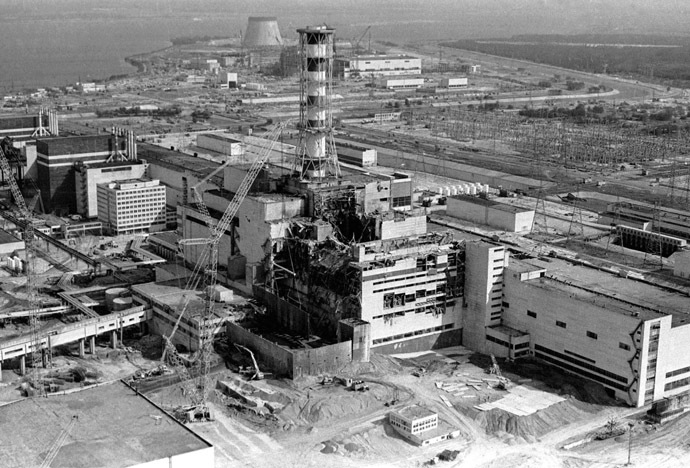
Photograph : Reuters

Photograph : Reuters
Photograph : Daily Mail
Photograph : Michael Day / Barcroft USA
Photograph : Michael Day / Barcroft USA
Photograph : Atlas Obscura
![A radiation sign along the road near Pripyat warns of the menace. The tranquility of the sight on an evening of heavy snowfall belies the lingering danger looming in the peaceful winter landscape. [Near Pripyat, Ukraine 2011] Photograph : Gerd Ludwig / INSTITUTE](http://www.citi.io/wp-content/uploads/2015/04/ludwig-gerd-6.jpg)
Photograph : Gerd Ludwig / INSTITUTE
Photograph : Helmut Fohringer / EPA

Photograph : Michael Day / Barcroft USA
Photograph : Michael Day / Barcroft USA
Photograph : Atlas Obscura
Photograph : Sergey Dolzhenko / EPA
Photograph : MAXPPP / Zuma Press
Photograph : Sergey Dolzhenko / EPA
![On April 26, 1986, operators in this control room of reactor number 4 at the Chernobyl Nuclear Power Plant committed a fatal series of errors during a safety test, triggering a reactor meltdown that resulted in the world's largest nuclear accident to date. [Chernobyl Nuclear Power Plant, Ukraine 2011] Photograph : Gerd Ludwig / INSTITUTE](http://www.citi.io/wp-content/uploads/2015/04/ludwig-gerd-1.jpg)
Photograph : Ryan Field / Caters News
Photograph : Ryan Field / Caters News
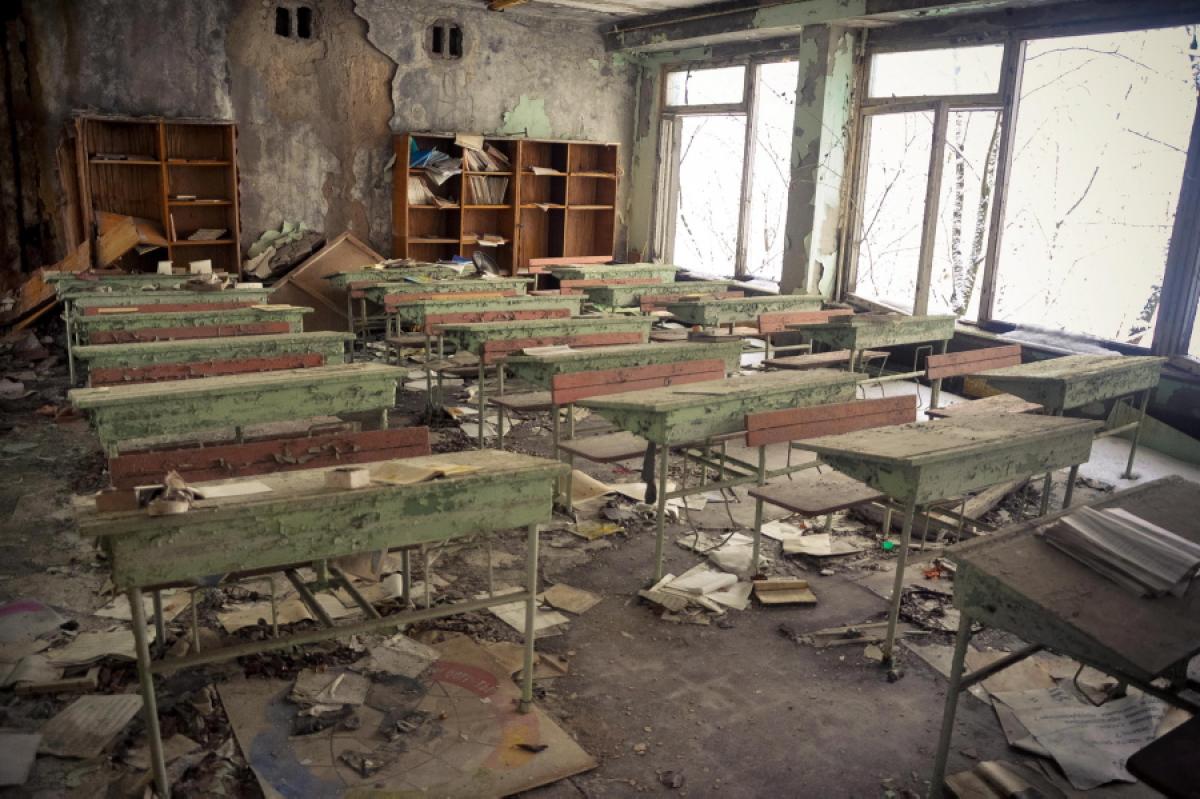
Photograph : Ryan Field / Caters News
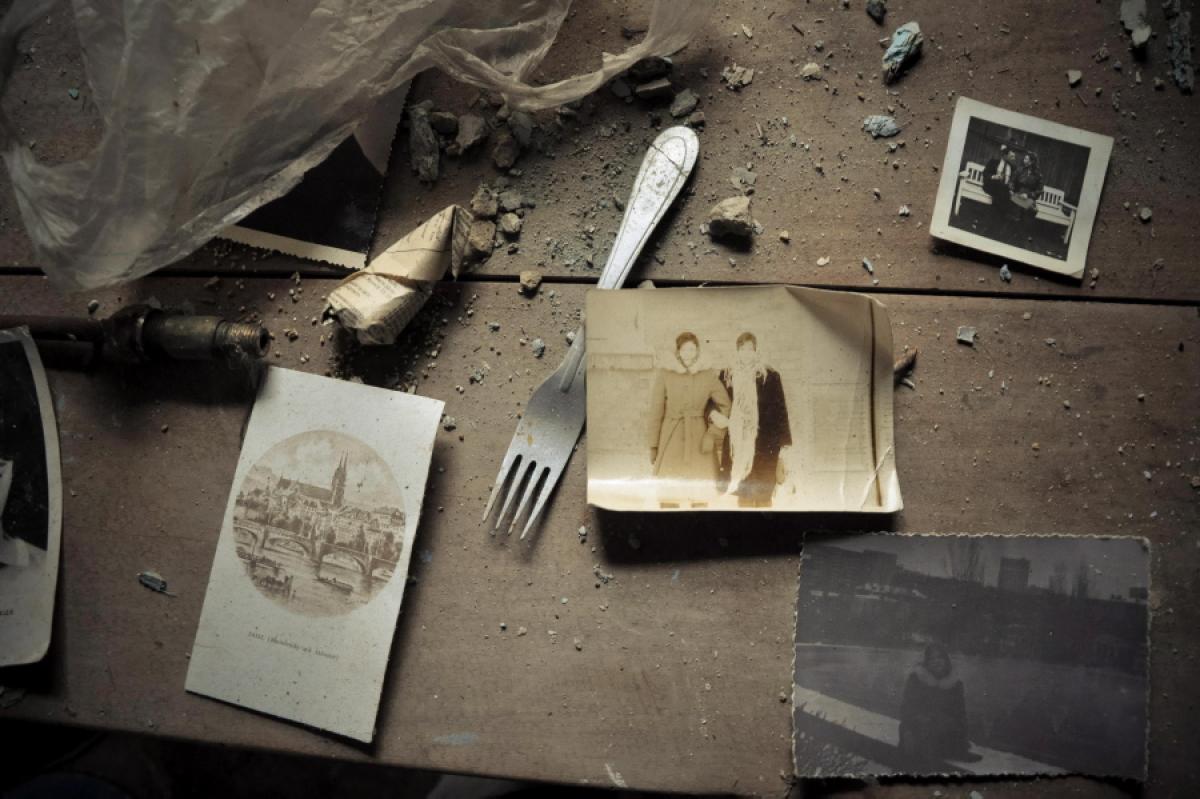
Photograph : Ryan Field / Caters News
![Kharytina Desha, 92, is one of the few elderly people who have returned to their village homes inside the Exclusion Zone. Although surrounded by devastation and isolation, she prefers to die on her own soil. [Teremtsy, Ukraine, 2011] Photograph : Gerd Ludwig / INSTITUTE](http://www.citi.io/wp-content/uploads/2015/04/ludwig-gerd-5.jpg)

Photograph : Michael Day / Barcroft USA

Photograph : Michael Day / Barcroft USA
![Severely physically and mentally handicapped, 5-year-old Igor was given up by his parents and now lives at a children's mental asylum. It is one of several such facilities in rural southern Belarus receiving support from Chernobyl Children International. [Vesnova, Belarus, 2005] Photograph : Gerd Ludwig / INSTITUTE](http://www.citi.io/wp-content/uploads/2015/04/ludwig-gerd-3.jpg)
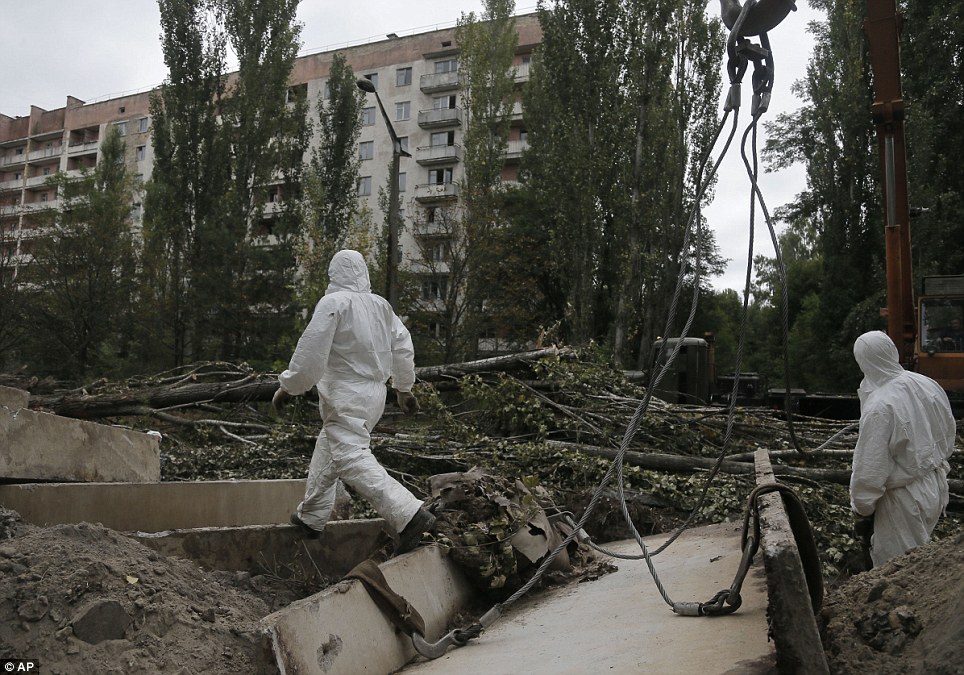
Photograph : AP
![Workers wearing plastic suits and respirators for protection pause briefly on their way to drill holes for support rods inside the shaky concrete sarcophagus, a structure hastily built after the explosion to isolate the radioactive rubble of Reactor number 4. [Chernobyl Nuclear Power Plant, Ukraine 2005] Photograph : Gerd Ludwig / INSTITUTE](http://www.citi.io/wp-content/uploads/2015/04/ludwig-gerd-2.jpg)
![From the rooftops of the nearby city of Pripyat, the first section of the New Safe Confinement can be seen. The New Safe Confinement, a 29,000 ton metal arc, 105 meters high and 257 meters wide, will eventually slide over the existing sarcophagus to allow deconstruction of the ailing shelter. [Chernobyl Nuclear Power Plant, Ukraine, 2013] Photograph : Gerd Ludwig/INSTITUTE](http://www.citi.io/wp-content/uploads/2015/04/ludwig-gerd-4.jpg)