





Mobile technology has become an important part of how businesses communicate with customers, provide services, and build lasting relationships. Companies exploring cross-platform mobile app development can use professional mobile app development services to create applications that work across multiple platforms while giving customers a convenient and consistent way to interact with their brand. As smartphones remain central to everyday activities, a well-designed mobile app can provide businesses with a direct connection to customers that traditional websites and communication channels may struggle to match.
Creating a More Direct Customer Connection
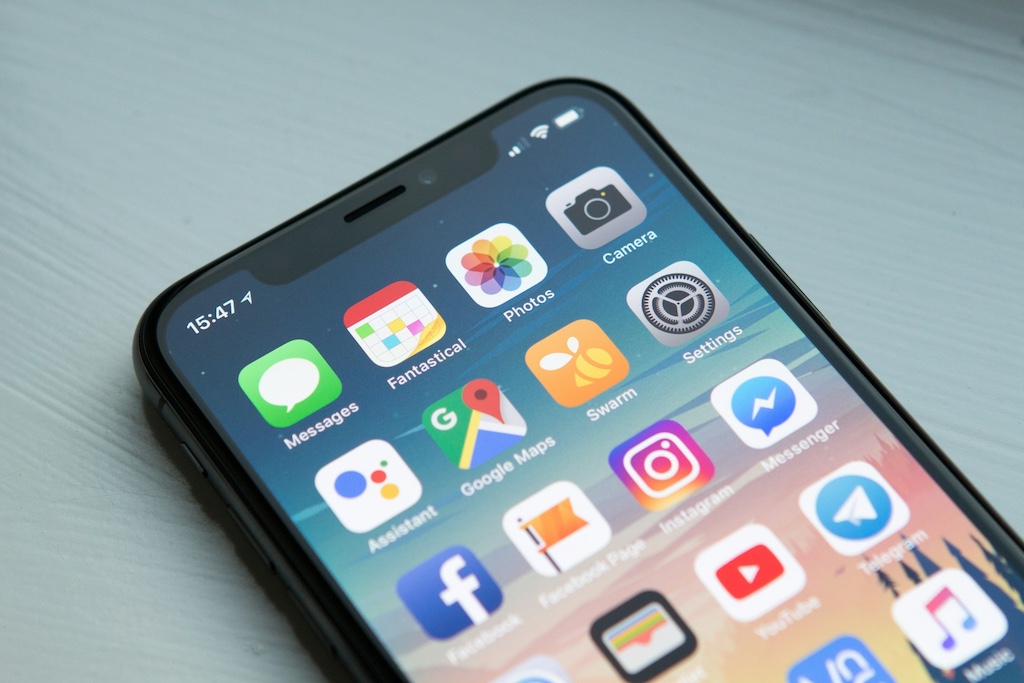
A mobile app gives a business a permanent presence on a customer’s device, making it easier for people to interact with the company whenever they need to. Instead of searching for a website or relying on social media to find information, customers can open an app and immediately access relevant products, services, or support. This convenience can reduce friction and encourage customers to interact with a business more regularly.
Apps also allow companies to communicate directly through features such as notifications, account updates, and personalized messages. When used carefully, these tools can inform customers about useful changes, upcoming appointments, new services, or relevant offers without requiring them to check another platform. The result is a communication channel that can feel more immediate and accessible.
Making Customer Experiences More Personal
Personalization has become increasingly important as customers expect digital experiences to reflect their individual needs. Mobile apps can use information such as account preferences, previous activity, and saved settings to present more relevant content. This can help customers find what they need faster while making their interactions with a company feel less generic.
A retail app, for example, might remember favorite products or provide recommendations based on previous purchases. A service-based business could allow customers to save preferred appointment times, payment details, or communication settings. These small conveniences can make repeated interactions smoother and give customers more reasons to continue using the app.
Bringing Services Closer to the Customer
One major advantage of mobile apps is their ability to put important services directly in customers’ hands. Customers can now manage banking, shopping, food delivery, entertainment, healthcare administration, and many other activities from a smartphone. Businesses can therefore provide services beyond traditional opening hours without requiring employees to handle every basic request manually.
Self-service features are particularly valuable because they give customers more control over routine activities. Users may be able to update their details, track an order, manage subscriptions, make payments, or review previous transactions through an app. These options can improve convenience for customers while allowing support teams to focus on more complex questions.
Building Stronger Customer Loyalty
Mobile apps can also help encourage repeat business and strengthen customer loyalty. Rewards programs, membership benefits, exclusive content, and personalized promotions can all be incorporated into an application. Keeping these features in one accessible place makes it easier for customers to understand and use the benefits available to them.
However, loyalty depends on more than simply offering discounts or rewards. Customers are more likely to continue using an app when it is reliable, easy to navigate, and genuinely useful in their daily lives. Businesses should therefore focus on creating practical value rather than adding unnecessary features that make the experience more complicated.
Using Customer Insights to Improve Experiences
Mobile apps can provide businesses with valuable information about how customers interact with their digital services. Companies can identify which features are frequently used, where customers encounter difficulties, and which parts of an app receive little attention. These insights can guide future updates and help development teams focus their efforts on improvements that matter to users.
Customer feedback can also be incorporated directly into the mobile experience. Simple feedback forms, support channels, and satisfaction surveys give users convenient ways to communicate problems or suggest improvements. When businesses respond to this information thoughtfully, their apps can evolve alongside changing customer expectations.
Supporting a Connected Digital Strategy
A mobile app is most effective when it works as part of a wider digital strategy rather than functioning as an isolated platform. Customers may move between a company’s website, app, email communications, social media pages, and physical locations during a single purchasing journey. Keeping information and experiences consistent across these channels can make interactions feel much more connected.
Businesses should also consider how their applications will develop as customer needs and technology change. Regular maintenance, security updates, performance improvements, and new functionality can help an app remain valuable after its initial launch. Planning for long-term development prevents the application from becoming outdated as the company and its customer base grow.
Conclusion
Mobile apps are changing customer relationships by making communication, services, personalization, and support more accessible from a device people use throughout the day. Businesses that approach app development with a clear understanding of customer needs can create digital experiences that remove unnecessary barriers and make everyday interactions easier. As mobile technology continues to influence customer expectations, applications that combine convenience, reliability, and genuine usefulness can become an important part of building stronger and more connected customer relationships.


